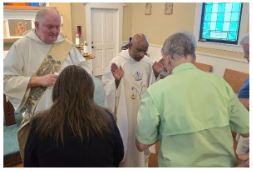
Anointing of the Sick
The Sacrament of the Anointing of the Sick, also known as Extreme Unction or Last Rites, is a Catholic sacrament that involves anointing a sick person with oil and praying for them. A priest or bishop administers the sacrament, which can be performed on people who are: Seriously ill or injured, Elderly, In danger of death due to sickness or old age, and Suffering from mental illness.
The Anointing of the Sick is recognized as one of the
seven sacraments of the Catholic Church, instituted by Christ. It is
specifically intended to provide strength and grace to those who are suffering
from serious illness or old age. The sacrament is rooted in Scripture, with
references found in the Gospel of Mark and the Epistle of James, where it is
recommended that the sick be anointed with oil and prayed over by the elders of
the Church (James 5:14-15)
The primary purpose of the Anointing of the Sick is to confer a special grace
that unites the sick person to the Passion of Christ, offering them peace,
courage, and, if necessary, the forgiveness of sins. It also prepares the
individual for the journey to eternal life, especially when administered to
those nearing death 345. The sacrament is celebrated through a communal
liturgical rite, which can take place in various settings, including homes,
hospitals, or churches, and is often integrated into the Eucharistic celebration
In summary, the Anointing of the Sick is a sacrament that embodies the Church's
pastoral care for the sick, providing spiritual and sometimes physical healing,
and reinforcing the connection to Christ's suffering and resurrection
After one's passing, we continue to pray for our loved ones. "May the souls of the Faithful Departed, through the mercy of God Rest In Peace".
The Holy Sacrifice of the Mass
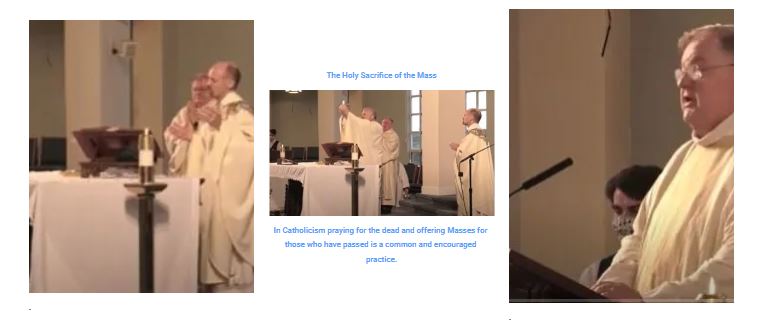
In Catholicism praying for the dead and offering Masses for those who have passed is a common and encouraged practice.